Introduction:
One moment you're fine, then those two words hit liver cancer and everything turns hazy. Quiet but always active, the liver filters your blood without fuss while helping break down food. Trouble begins silently, yet once noticed, attention shifts fast to how far it has moved through the body. They use a way to sort it into stages that guide what might come next. It is not about labeling it in a way but more like mapping a path so everyone knows which turns could help most
Families often sit together wondering how the size of the spot or where it sits changes the days ahead. Words shared out loud might lighten the load a little.
Understanding the Stages of Liver Cancer?
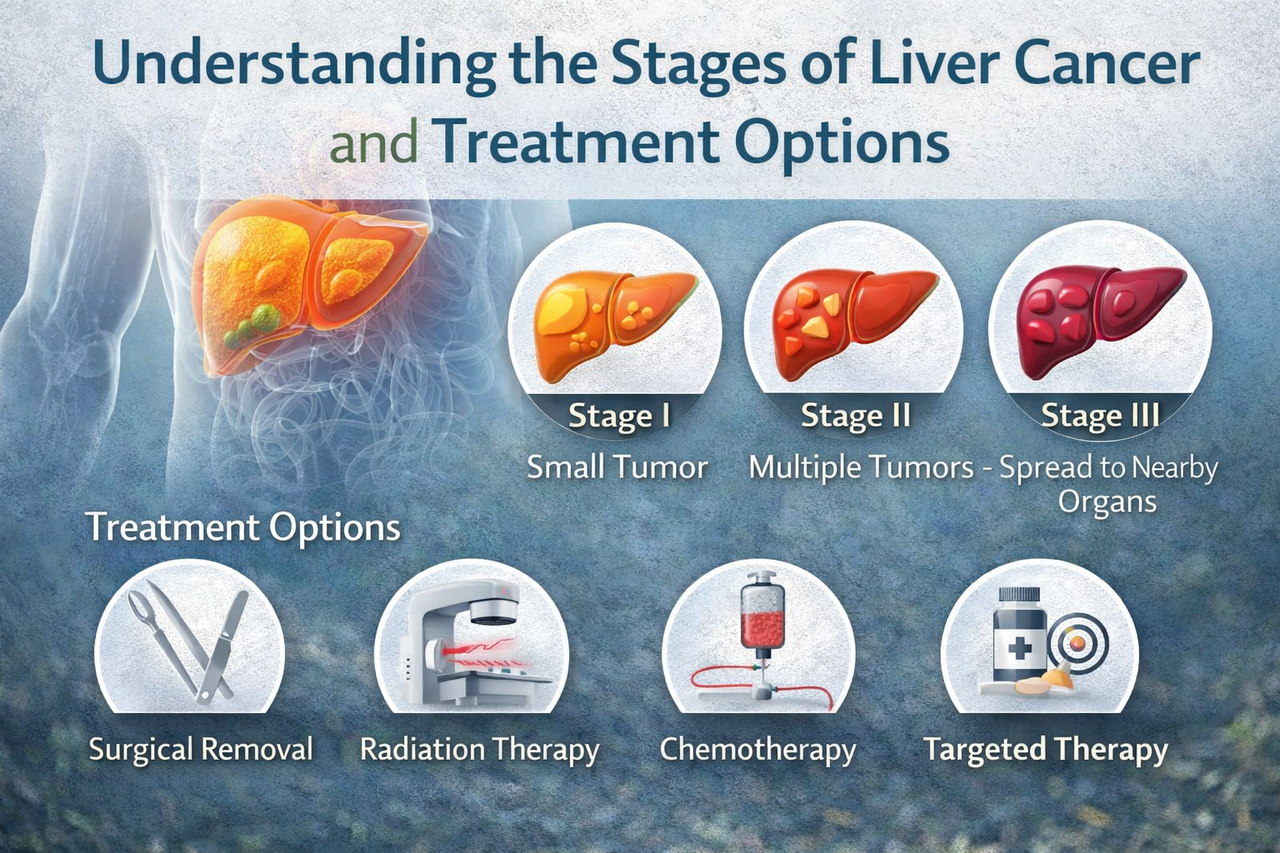
According to Punarjan, one of the best liver cancer treatment hospitals in vijayawada, what matters most isn’t speed but location where things start often shifts what comes next. Where one part ends another begins without warning signs. In the early chapter there is usually just one tiny spot, often smaller than a coin and the liver still does its job pretty well. The person might feel like themselves with maybe a bit of tiredness.
As things move to the chapter the spot could be a little bigger or there might be a couple of them but they stay contained inside the liver. The middle chapter, often called intermediate, brings spots scattered around yet the liver keeps working enough for daily life.
Later chapters show the liver cancer growth reaching into blood paths or even spreading to other areas and the body starts to feel the strain more clearly. The final chapter focuses on times when the liver itself is worn down and comfort becomes the focus. Each chapter helps the medical team picture the situation rather than just one piece.
How Do Doctors Figure Out the Stage Without Making It Confusing?
Doctors piece the stage together like a puzzle using pictures from scans, blood tests and sometimes a small sample check. They look at the size and number of the liver cancer growths, how the liver is holding up its cleaning and energy work and whether the person feels strong enough for activities.
It is not a number that tells the whole story but a mix that considers the whole person. One moment a person could be moving through their day without trouble, next thing you know a scan lights up with fresh tumor growth. On the flip side, someone else drags through fatigue while imaging shows only tiny marks. These absences ensure that things are not put in inflexible rules allowing room for the option to pass decisions that reflect the current state.
Early Detection of Liver Cancer - What Changes?
Liver cancer is easily caught and that usually leads to a path of action that tries to either eliminate or kill the trouble spots themselves. Doctors might talk about taking out part of the liver if the rest looks healthy enough to keep working like trimming a tree so the roots stay strong.
For some, a liver swap from a donor becomes an option when the whole organ needs a start. Sometimes they use heat or cold through a small needle to zap the liver cancer spots without big cuts letting the person recover in days rather than weeks.
These choices can feel hopeful because the body often bounces back and returns to routines faster. Families notice the difference when someone starts eating or walking farther after the procedure turning what felt heavy into something more manageable day by day.
How Do Options Shift Once the Liver Cancer Moves Into the Middle Stages?
When liver tumors appear in clusters without spreading widely, treatment sometimes aims to starve them gradually. A thin catheter slips through arteries until it reaches vessels that feed the liver, guided carefully along the way. Medicine travels through, reaching trouble zones directly instead of drifting elsewhere. Tiny particles follow, closing off routes bit by bit like narrowing paths before a storm. Blood movement slows at key points, leaving abnormal tissue struggling. The method doesn’t remove masses outright yet weakens their hold silently.
It is a targeted move that leaves the rest of the body bothered. People often go home the day or the next and many share how this gave them weeks or months of steadier energy to enjoy time with grandkids or finish projects around the house. The liver still handles jobs so meals and sleep patterns do not shift as wildly.
What Happens as the Situation Reaches Advanced Stages of Liver Cancer?
When the liver cancer growths start pressing into paths or appear in other parts of the body the plan usually moves toward medicines that work from inside the bloodstream. These are pills or drips designed to quiet the signals that let the liver cancer trouble grow. They help the body’s own defense team spot and fight back.
Life stays steady not by sudden changes but through small steps taken every day. On certain mornings, fatigue pulls hard or nausea lingers though people often adjust by pausing, eating plain meals, leaning on those who care. The goal stays centered on comfort and keeping connections rather than chasing numbers alone.
Why Does Supportive Care Matter No Matter the Stage of Liver Cancer?
No matter which chapter the liver cancer journey is in, the team always weaves in help for pain, nutrition and emotional ups and downs. Nurses might suggest walks or favorite meals that sit easier while counselors listen when worry builds up at night. Family members learn tricks like keeping a water bottle handy or playing soft music to ease the quiet moments.
These pieces do not change the stage of liver cancer but they color the days with warmth and control. In the end understanding the stages of liver cancer helps everyone talk openly about what lies without fear of taking the steering wheel. Each path looks different because every person carries their story and the right blend of steps can make the road feel a little less lonely. For details on recognizing liver cancer signs through resources visit www.punarjanayurveda.com.
REFERENCE LINKS:
https://www.cancer.org/cancer/types/liver-cancer/detection-diagnosis-staging/staging.html
https://www.cancerresearchuk.org/about-cancer/liver-cancer/stages
https://my.clevelandclinic.org/health/diseases/9418-liver-cancer
https://www.americanoncology.com/blogs/understanding-liver-cancer-stages-and-survival-rate
https://www.roswellpark.org/cancer/liver/diagnosis/staging
https://www.healthdirect.gov.au/liver-cancer